
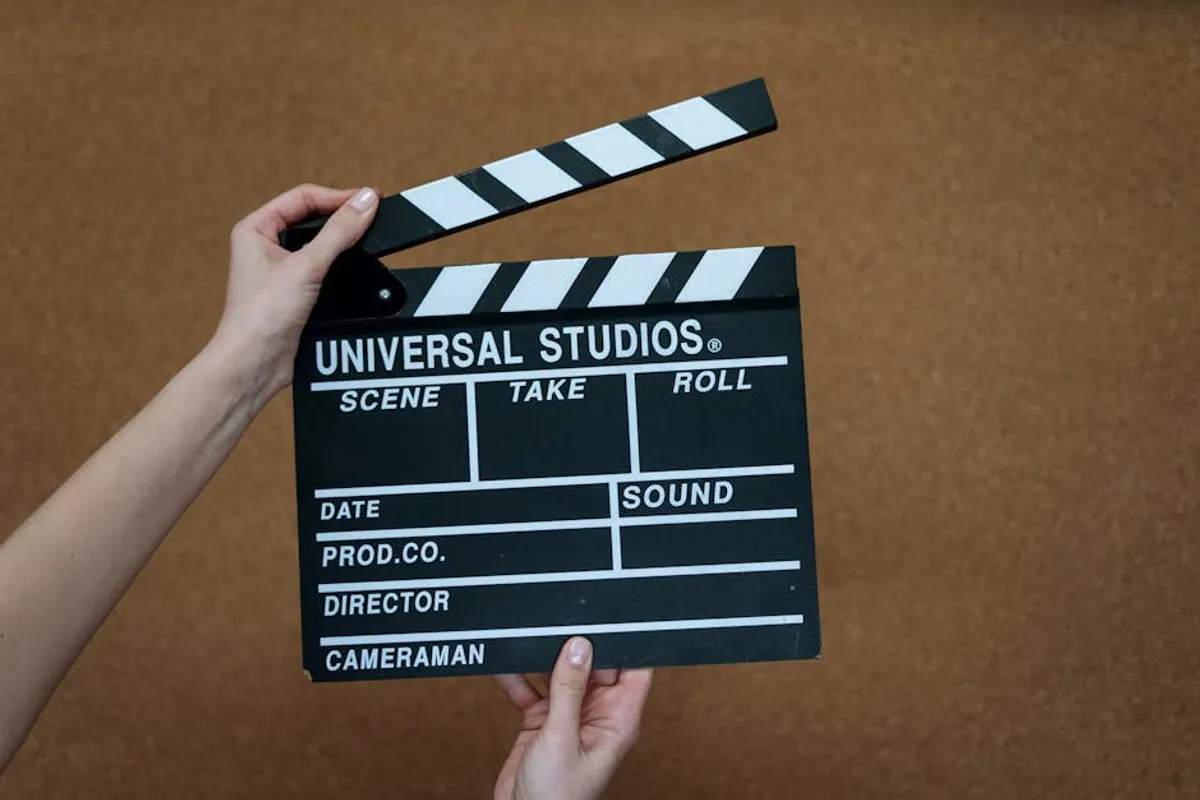
Staying current with upcoming movie releases and the broader entertainment news landscape is not merely a fan's pursuit; it represents a critical intelligence stream for marketers, content creators, and publishers. The rapid pace of announcements, production updates, and release schedule shifts demands a strategic approach to information consumption. Understanding these developments enables precise content planning, timely audience engagement, and the identification of commercial opportunities tied to cultural relevance. This article outlines the specific value propositions of tracking these trends and how to integrate them into a robust content and marketing framework.
The Strategic Value of Tracking Upcoming Movie Releases
Monitoring upcoming movie releases provides a direct pipeline to future audience interest and search demand. Each announcement, trailer drop, or cast reveal generates immediate discussion and search queries. For content strategists, this translates into a predictable content calendar, allowing for pre-emptive content creation around specific titles, genres, or talent. This foresight enables optimization for long-tail keywords that build anticipation, capturing traffic before a film's wide release.
Identifying Audience Interest and Content Opportunities
The lifecycle of a movie, from initial announcement to post-release analysis, offers multiple touchpoints for content. Early announcements create opportunities for speculative articles, cast breakdowns, and genre analyses. Trailer releases trigger discussions around plot theories, visual effects, and comparisons to previous works. Understanding the specific points of audience engagement allows for a tiered content strategy that evolves with the film's promotional cycle.
Content opportunities include:
- Character deep-dives and actor profiles.
- Franchise lore explanations and recaps.
- Genre analysis and historical context.
- Director's filmography and stylistic influence.
- Soundtrack anticipation and music artist features.
- Behind-the-scenes production insights.
- Merchandise and tie-in product reviews.
Navigating Release Schedules and Platform Shifts
Release dates are fluid, especially with global distribution and the evolving landscape of theatrical vs. streaming premieres. Tracking these changes is crucial for maintaining content accuracy and relevance. A shift from a theatrical-exclusive window to a day-and-date streaming release, for instance, fundamentally alters audience access and subsequent content consumption patterns. Marketers must adapt campaigns to target different viewing platforms, while publishers can prepare comparative content or platform-specific guides.
Leveraging Entertainment News for Commercial Advantage
Beyond individual movie releases, the broader entertainment news cycle provides context for industry trends, technological shifts, and consumer behavior. This intelligence informs long-term strategy, helping content creators understand the competitive landscape and identify emerging niches. News about studio acquisitions, executive changes, or new streaming platform features can signal shifts in content production, distribution, and monetization models.
Decoding Industry Trends and Market Signals
Entertainment news acts as an early warning system for market shifts. Reports on genre performance, demographic viewing habits, or the success of specific content formats (e.g., limited series, interactive films) can guide investment in content creation. For example, a surge in demand for non-English language content, as evidenced by news of international production deals, indicates a fertile ground for localized content strategies or subtitled/dubbed content promotion.
Capitalizing on Cultural Moments and Brand Alignment
Major entertainment events, such as award ceremonies, film festivals, or significant franchise anniversaries, create predictable spikes in public interest. These moments are prime for "newsjacking" with relevant, pre-prepared content. For brands, aligning with popular entertainment properties or cultural conversations through news-informed campaigns can boost visibility and resonance. This requires not just knowing *what* is happening, but *when* and *why* it matters to a specific audience segment.
Pro Tip: Always cross-reference entertainment news from multiple reputable industry sources. Initial reports, especially those based on anonymous sources or early rumors, can be speculative. Prioritize confirmed announcements from studios, official talent representatives, or established trade publications to ensure content accuracy and maintain credibility.
Essential Sources for Reliable Entertainment Information
Accessing accurate and timely information is paramount. Relying on official studio press releases and direct announcements is the most dependable approach for confirmed release dates, casting, and production details. Trade publications like Variety, The Hollywood Reporter, and Deadline offer in-depth industry analysis, executive interviews, and breaking news from a business perspective. Specialized fan sites and reputable entertainment news aggregators can provide rapid updates and community sentiment, but require careful vetting for factual accuracy.
Distinguishing Primary and Secondary Information
Primary sources, such as official studio social media accounts, investor calls, and press conferences, offer unmediated information. Secondary sources, like news articles and fan forums, interpret and disseminate this information. A robust information-gathering strategy balances both: primary sources for factual confirmation and secondary sources for broader context, analysis, and audience reaction. Establishing a curated list of trusted sources and employing news aggregation tools can streamline this process.
Integrating Entertainment Insights into Content Strategy
To effectively leverage upcoming movie releases and entertainment news, integrate this intelligence directly into your content calendar and SEO strategy. Develop a system for tracking key dates, such as announcement embargoes, trailer drops, premiere dates, and streaming availability. Map these dates to potential content topics, keyword research, and promotional windows. This structured approach ensures that content is not only relevant but also published at peak interest times, maximizing visibility and engagement. Regular analysis of trending entertainment topics and search queries will refine this process, allowing for agile adjustments to capitalize on unforeseen viral moments or industry shifts.
Frequently Asked Questions
How far in advance should I plan content around upcoming movie releases?
Planning should begin as soon as a major project is officially announced, often 12-24 months out for tentpole films. This allows for long-lead content, keyword targeting, and adapting to potential schedule changes. Shorter-lead content can be planned around trailer drops (3-6 months out) and premiere dates (4-8 weeks out).
What are the most effective ways to track entertainment news for commercial purposes?
Utilize RSS feeds from major trade publications, set up Google Alerts for specific keywords (e.g., "studio name + upcoming films," "director name + next project"), and follow official studio and talent social media accounts. Industry newsletters and professional forums also provide valuable, curated insights.
How can I ensure the accuracy of entertainment news before creating content?
Always verify information by cross-referencing at least two independent, reputable sources. Prioritize official announcements from studios or talent agencies over rumors. Be cautious with unconfirmed leaks or speculative reports, and clearly label any content based on unverified information as such.
How do streaming platform strategies impact content around movie releases?
Streaming strategies dictate audience access and viewing habits. Day-and-date releases require content that addresses both theatrical and home viewing experiences. Exclusive streaming releases shift focus entirely to platform-specific content, such as guides on how to watch, platform comparisons, and subscription benefits. This also influences the timing of post-release content, as streaming titles often have a longer shelf life for discovery.