
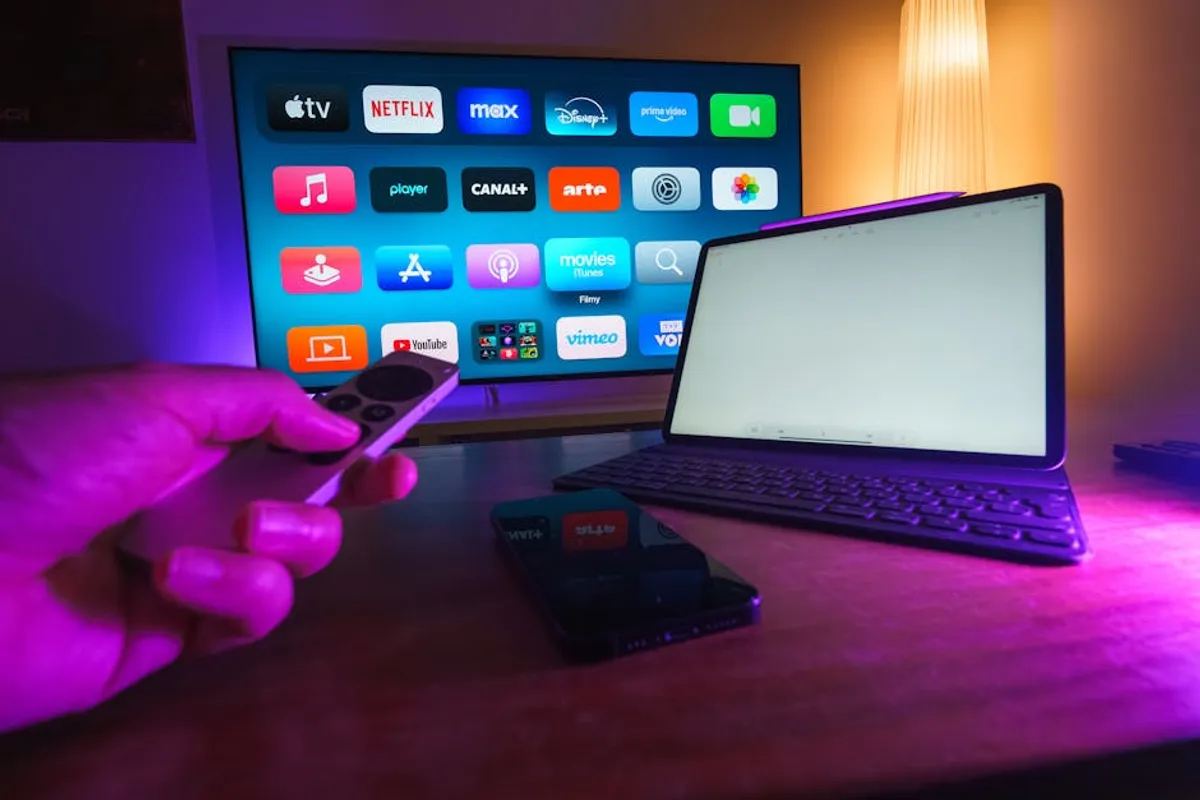
Launching content via streaming premiere demands a precise understanding of audience behavior, platform mechanics, and promotional leverage. For content creators, marketers, and distribution strategists, navigating this landscape requires more than just compelling material; it necessitates a structured approach to generate anticipation, maximize visibility, and sustain engagement. This guide outlines the essential components of a successful streaming premiere, from initial planning to post-launch analysis, providing a framework for optimizing content rollout in a highly competitive digital environment.
Understanding the Streaming Premiere Landscape
Defining a Premiere Event
A streaming premiere signifies the initial release of a film, series, documentary, or special event directly onto a digital streaming platform, bypassing or preceding traditional theatrical or broadcast windows. The commercial distinction lies in its exclusivity and the concentrated marketing effort around its debut. Unlike library content, a premiere capitalizes on novelty and immediate access, driving subscriber acquisition or transactional purchases within a defined, often short, window.
Key Release Models
The strategy for a streaming premiere often dictates its commercial trajectory and marketing approach. Understanding these models is critical:
- Exclusive Direct-to-Streaming: Content developed specifically for and released solely on a single platform. This model maximizes a platform's unique selling proposition and subscriber retention.
- Day-and-Date Release: Simultaneous release in cinemas and on a streaming platform, often requiring a premium transactional fee. This captures both theatrical and home-viewing audiences, though it can dilute box office revenue.
- Limited Theatrical then Streaming: A brief theatrical run, often for awards qualification or critical buzz, followed by a rapid transition to streaming. This builds initial awareness before broader digital distribution.
- PVOD (Premium Video On Demand): Content available for purchase or rental at a higher price point shortly after or instead of a theatrical release. This model offers higher per-transaction revenue.
Commercial Implication: Each model influences revenue streams, audience reach, and the intensity of promotional campaigns. Exclusive direct-to-streaming demands robust platform-specific marketing, while day-and-date requires coordinated efforts across different distribution channels.
Major Platform Ecosystems and Their Strategies
The streaming ecosystem is fragmented, with each major player employing distinct strategies. Netflix prioritizes global content acquisition and rapid release schedules, often dropping entire seasons for binge-watching. Disney+ leverages its extensive IP catalog, focusing on family-friendly content and tentpole franchises with weekly episode releases. Max often integrates premium cable content with original productions. Prime Video combines its streaming service with broader e-commerce benefits. Understanding these platform nuances is crucial for tailoring content and promotion to align with audience expectations and platform algorithms.
Crafting Pre-Launch Momentum
Content Teasing and Trailer Strategy
Effective pre-launch marketing begins with strategic content teasing. This involves releasing short clips, behind-the-scenes footage, and character introductions months in advance. The trailer, however, remains the cornerstone. It must encapsulate the content's essence, target its primary audience, and drive a clear call to action: "Add to Watchlist" or "Subscribe Now." Multiple trailer versions, tailored for different social media platforms and audience segments, maximize reach and relevance.
Pro Tip for Trailer Optimization: Ensure all trailer descriptions on platforms like YouTube and social media are keyword-rich, including relevant genre terms, cast names, and unique selling points. Embed direct links to the premiere page, and utilize schema markup for video objects to improve search visibility for associated content.
Strategic PR and Media Outreach
Securing early media coverage is vital. This involves targeted outreach to entertainment journalists, industry publications, and influential critics. Exclusive interviews with cast and crew, early screening opportunities, and embargoed press kits generate buzz. The goal is to establish narrative control and create a positive critical foundation before the premiere date. For niche content, identifying and engaging specialized blogs and fan communities is equally impactful.
Leveraging Social Media and Influencer Campaigns
Social media platforms are indispensable for direct audience engagement. Develop a consistent content calendar featuring countdowns, interactive polls, Q&As, and shareable assets. Partnering with relevant influencers, especially those with an authentic connection to the content's genre or themes, can significantly amplify reach and drive organic conversation. Micro-influencers often yield higher engagement rates due to their dedicated communities.
Optimizing for Launch Day Impact
Synchronized Digital Campaigns
On premiere day, all digital marketing efforts must converge. This includes paid media campaigns across search, social, and display networks, synchronized with organic social posts, email newsletters, and website updates. The messaging should be clear, urgent, and focused on immediate access. Geo-targeting and audience segmentation ensure that promotional spend is allocated efficiently to the most receptive viewers.
Cross-Platform Promotion and Partnerships
Collaborate with the streaming platform itself to leverage its internal promotional channels (e.g., homepage banners, curated carousels, push notifications). Explore partnerships with brands or media outlets whose audiences align with the premiere's demographic. For example, a food-themed series could partner with culinary blogs or ingredient suppliers for co-promotional campaigns.
User Engagement and Interactive Elements
Encourage immediate viewer interaction. This can involve live Q&As with creators on social media immediately following the premiere, interactive polls about plot points, or dedicated fan forums. The more viewers feel invested and have opportunities to discuss the content, the more likely they are to become advocates, driving word-of-mouth promotion.
Sustaining Post-Premiere Engagement
Data-Driven Content Amplification
Post-premiere, analyze viewership data, completion rates, and audience demographics. This data informs subsequent marketing efforts, allowing for retargeting campaigns to viewers who watched only a portion of the content, or targeted promotion of specific episodes that resonated most. Identify popular scenes or quotes for further social media amplification.
Community Building and Fan Interaction
Maintain an active presence in fan communities and on social media. Respond to comments, share fan art, and acknowledge positive reviews. Creating a sense of community around the content extends its lifespan and encourages continued discussion, which can attract new viewers over time. Consider releasing supplementary content, such as behind-the-scenes mini-docs or deleted scenes, to maintain interest.
International Rollouts and Localization
For global content, staggered international rollouts require localized marketing strategies. Translate promotional materials, adapt messaging to cultural nuances, and engage local influencers. Ensure that metadata and descriptions are accurately localized for each region to maximize search visibility on platform interfaces and external search engines.
Commercial Considerations and Monetization
Subscription, Transactional, and Ad-Supported Models
The monetization model directly impacts commercial strategy. For SVOD (Subscription Video On Demand) content, the primary goal is subscriber acquisition and retention. TVOD/PVOD (Transactional/Premium Video On Demand) focuses on maximizing individual purchases or rentals. AVOD (Ad-Supported Video On Demand) aims for high viewership numbers to drive ad revenue. Each model dictates different key performance indicators and marketing priorities.
Measuring Success: Key Performance Indicators
Success metrics vary by platform and monetization model. Common KPIs include:
- Total Viewership: Raw number of unique viewers.
- Completion Rate: Percentage of viewers who watch an entire film or season.
- Subscriber Acquisition/Churn: For SVOD, how many new subscribers were driven by the premiere and how many existing ones were retained.
- Engagement Metrics: Time spent watching, repeat viewings, social media mentions, and sentiment.
- Revenue Generated: For TVOD/PVOD, direct sales figures. For AVOD, ad impressions and associated revenue.
- Critical Reception: Review scores from critics and audience aggregators like Rotten Tomatoes, which can influence long-term viewership.
Analyzing these metrics provides actionable insights into content performance and audience preferences, informing future production and marketing decisions.
Navigating the Competitive Environment
Content Saturation and Audience Fragmentation
The sheer volume of new content released weekly creates a challenge for discoverability. Audiences are fragmented across numerous platforms, making it harder to capture sustained attention. Premieres must offer a clear value proposition and stand out through unique storytelling, high production quality, or compelling talent. Strategic niche targeting can be more effective than broad appeal.
The Role of Niche Content and IP
While tentpole blockbusters draw large audiences, niche content can foster highly engaged, loyal communities. Leveraging existing intellectual property (IP) provides a built-in audience and reduces marketing friction. For original content, identifying and targeting specific subcultures or interest groups can create a dedicated following, ensuring a more stable viewership base over time.
Practical Next Steps for Premiere Success
To maximize the impact of any streaming premiere, begin with a comprehensive strategy that integrates content creation with marketing and distribution. Define your target audience precisely and understand their viewing habits across various platforms. Invest in high-quality promotional assets and ensure all metadata is optimized for search and discoverability. Foster genuine engagement with your audience through interactive campaigns and community building. Finally, commit to rigorous data analysis post-launch to refine future strategies and capitalize on successful elements. A proactive, data-informed approach is essential for cutting through the noise and establishing content longevity in the streaming landscape.
Frequently Asked Questions About Streaming Premieres
What is the primary difference between a streaming premiere and a traditional theatrical release?
A streaming premiere is primarily distributed digitally, often directly to subscribers or for transactional purchase, prioritizing immediate global reach and home viewing. A traditional theatrical release first targets cinemas, with digital distribution following later, focusing on box office revenue and a shared viewing experience.
How far in advance should marketing begin for a major streaming premiere?
For major productions, marketing efforts can begin 3-6 months in advance with teaser campaigns, building to intense promotion 4-6 weeks before the premiere date. This allows sufficient time to generate anticipation, secure media coverage, and engage potential viewers.
What role do social media algorithms play in a premiere's success?
Social media algorithms prioritize content that generates high engagement (likes, shares, comments). For a premiere, this means creating highly shareable content, encouraging user-generated content, and running interactive campaigns to signal relevance and drive broader organic reach, increasing discoverability.
Can a streaming premiere still qualify for major awards?
Yes, many major awards, including the Academy Awards and Emmys, have adjusted their rules to include streaming-only releases, often requiring a limited theatrical run or specific distribution criteria. Qualification depends on the specific award body's current regulations.