
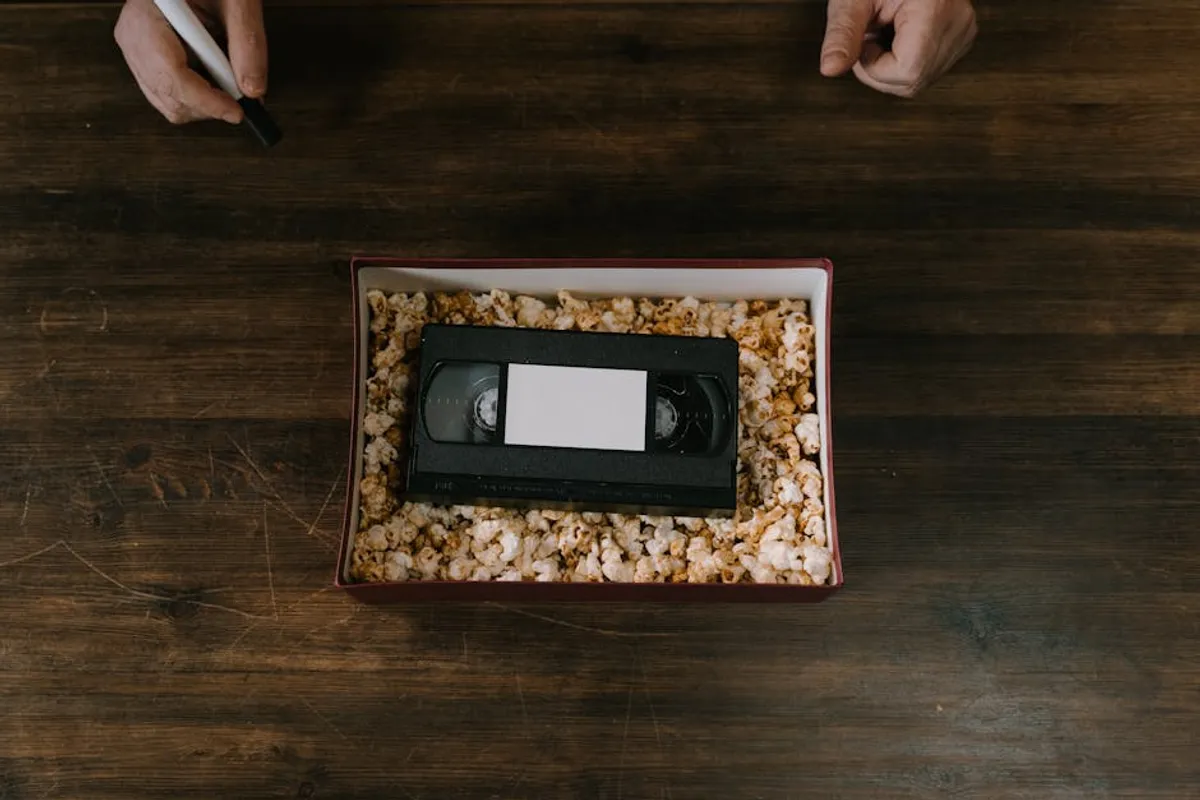
The "New Movies" landscape presents a dynamic, high-volume content opportunity for publishers and marketers. Navigating this space effectively demands more than just listing upcoming releases; it requires a strategic approach to audience intent, content lifecycle, and diverse monetization avenues. Publishers aiming to capture organic search traffic and drive revenue must consider the specific informational needs of users at various stages of a film's journey, from pre-production buzz to post-release streaming availability. This guide outlines the critical components for building a commercially viable content strategy around new cinematic releases. Publishers can also leverage the buzz around upcoming movie trailers to capture early audience interest.
Understanding the "New Movies" Content Ecosystem
Approaching "New Movies" as a content niche requires a clear understanding of user behavior and the competitive environment. The audience for new film content spans a wide spectrum, from early adopters seeking trailers and casting news to casual viewers looking for streaming options or reviews of recently released titles.
Audience Intent: From Anticipation to Consumption
User intent shifts dramatically throughout a movie's lifecycle. Initially, queries revolve around "upcoming movies [year]," "movie trailers," or "cast of [film title]." As release approaches, intent moves to "movie showtimes," "buy movie tickets [city]," or "where to watch [film title]." Post-release, queries often include "movie reviews [film title]," "is [film title] streaming," or "ending explained [film title]." A comprehensive content strategy addresses each of these distinct intent phases, ensuring relevant information is available when users need it.
Content Lifecycle: Timeliness and Evergreen Value
New movie content is inherently time-sensitive. Early coverage of announcements, trailers, and release dates has a short peak but can generate significant initial traffic. Reviews and critical analyses offer another surge of interest around release. However, content can also develop evergreen value. Guides on "best movies of [year]," "franchise timelines," or "director filmographies" continue to attract traffic long after initial release windows, provided they are maintained and updated. Balancing timely, reactive content with durable, foundational pieces is crucial for sustained organic visibility.
Essential Content Pillars for New Movie Coverage
Effective "New Movies" content is built upon several core pillars, each addressing specific user needs and search intents.
Release Schedules and Theatrical Information
Central to any new movie guide is accurate and up-to-date release information. This includes theatrical release dates, streaming premiere dates, and platform availability. Pages dedicated to "upcoming movies [month/year]" or "movie release calendar" serve as high-utility resources. Accurately tracking streaming premiere dates and platform availability is key for keeping users informed.
Commercial value: Drives traffic for users planning cinema visits or anticipating digital releases, creating opportunities for affiliate links to ticketing services or streaming platforms.
Pre-Release Buzz and Trailer Analysis
Content published before a movie's release builds anticipation. This includes articles on casting news, production updates, trailer breakdowns, and speculative plot theories. These pieces often leverage high-volume, low-competition keywords related to emerging titles.
Commercial value: Generates early engagement and brand loyalty, allowing for ad impressions and potential pre-order affiliate links for merchandise or digital copies.
Reviews, Critical Reception, and Audience Sentiment
Post-release content often focuses on critical analysis and audience reactions. Professional reviews, aggregated critic scores, and summaries of social media sentiment provide value to users deciding whether to watch a film.
Commercial value: Influences purchasing decisions for VOD or streaming subscriptions, directly supporting affiliate revenue streams.
Streaming Availability and Digital Distribution
Once a movie leaves theaters, its digital availability becomes a primary search query. Dedicated content detailing "where to stream [film title]," "is [film title] on Netflix," or "buy/rent [film title] on VOD" captures significant long-tail traffic.
Commercial value: Direct monetization through affiliate links to specific streaming services (e.g., Amazon Prime Video, Apple TV, Google Play) or subscription sign-ups.
Behind-the-Scenes Insights and Franchise Deep Dives
For popular films and franchises, content exploring production details, Easter eggs, character analyses, or connections to wider cinematic universes maintains interest. These articles often have a longer shelf life and cater to highly engaged fans.
Commercial value: Supports display advertising, drives traffic to related content, and can facilitate affiliate sales for merchandise or collector's editions.
Monetization Strategies for Film Content Publishers
Publishers can leverage various models to generate revenue from "New Movies" content.
Affiliate Partnerships and Commerce
Integrating affiliate links for movie tickets, VOD rentals/purchases, streaming service subscriptions, and film merchandise is a primary revenue driver. Partnerships with major retailers and entertainment platforms allow publishers to earn commissions on sales generated through their content. This requires meticulous tracking and optimization of link placement and call-to-actions.
Display Advertising and Programmatic Revenue
Standard display advertising, delivered via programmatic platforms, generates revenue based on impressions and clicks. High-traffic "New Movies" content, particularly release schedules and popular review pages, can yield substantial ad revenue. Optimizing ad placements and ensuring a positive user experience are key to maximizing this income stream.
Sponsored Content and Brand Integrations
Collaborations with film studios, distributors, or related brands (e.g., snack companies, electronics manufacturers) can involve sponsored articles, video content, or dedicated sections. These integrations must be clearly disclosed to maintain editorial integrity and audience trust, aligning with advertising guidelines.
Optimizing for Visibility: SEO Tactics for New Movie Content
Achieving organic visibility for "New Movies" content requires specific SEO considerations.
Keyword Research: Identifying High-Value Queries
Thorough keyword research identifies both high-volume head terms (e.g., "new movies 2024") and long-tail queries (e.g., "best horror movies streaming this weekend," "ending explained for [film title]"). Publishers must track trending topics and anticipate future search demand around upcoming releases. Tools that analyze search volume fluctuations and competitive landscapes are essential.
Structured Data Implementation: Enhancing SERP Presence
Implementing schema.org markup, specifically Movie schema and Review schema, can significantly enhance SERP visibility. This provides rich snippets displaying ratings, release dates, cast information, and direct streaming links, thereby increasing click-through rates. Accurate and complete schema data is critical for search engine interpretation.
Content Freshness and Update Cadence
Given the time-sensitive nature of movie news, content freshness is paramount. Regularly updating release dates, streaming availability, and review scores signals to search engines that the content is current and authoritative. Establishing a consistent update schedule for key "New Movies" pages helps maintain relevance and ranking positions.
Building Authority and E-E-A-T Signals
For search engines to trust and rank content, publishers must demonstrate Experience, Expertise, Authoritativeness, and Trustworthiness (E-E-A-T). This involves featuring credible authors with established film knowledge, citing reliable sources (e.g., official studio announcements, reputable critics), and maintaining a clean site history free of deceptive practices. Building external links from authoritative entertainment sites also contributes to domain authority.
- Optimize image alt text with relevant film titles and keywords.
- Ensure mobile-friendliness for all content, as a significant portion of entertainment consumption occurs on mobile devices.
- Implement clear internal linking strategies to connect related movie reviews, release schedules, and thematic articles.
- Monitor core web vitals to ensure fast loading times and a smooth user experience.
- Develop a robust social media strategy to amplify content reach and drive initial traffic surges.
Pro Tip: The competitive landscape for 'New Movies' content is highly saturated and time-sensitive. Publishers must develop a rapid content production and update workflow to capitalize on breaking news and release cycle peaks. Delaying content publication by even a few hours can result in significant loss of organic visibility to faster-moving competitors. Prioritize accuracy and speed without sacrificing editorial quality.
Developing Your "New Movies" Content Strategy
A successful "New Movies" content strategy integrates editorial planning with technical SEO and monetization objectives. Begin by mapping out the film release calendar for the next 6-12 months, identifying tentpole releases and niche opportunities. For each film, determine the specific content types that will be created at different stages of its lifecycle, from initial announcement to post-streaming analysis. Establish clear responsibilities for content creation, review, and updating. Continuously monitor search performance, user engagement metrics, and affiliate conversion rates to refine the strategy. Adapt to changes in distribution models and audience consumption habits to maintain a competitive edge.
Frequently Asked Questions
How frequently should "New Movies" content be updated?
Core pages like release calendars require daily or weekly checks for accuracy. Individual movie pages need updates for new trailers, cast announcements, review scores, and streaming availability. Time-sensitive news articles should be published immediately upon verification.
What types of schema markup are most relevant for movie content?
The primary schema types are Movie, which provides details like director, cast, and release date, and Review or AggregateRating for displaying critic and audience scores directly in search results.
How can smaller publishers compete with major entertainment sites for "New Movies" traffic?
Smaller publishers can compete by focusing on niche angles (e.g., specific genres, independent films, regional releases), developing strong editorial voices, targeting long-tail keywords, and excelling in content freshness and structured data implementation. Building a loyal community around specific interests can also provide an advantage.
What are the primary monetization models for "New Movies" content?
The most common models include affiliate marketing (for tickets, VOD, streaming subscriptions, merchandise), display advertising (programmatic ads), and direct sponsored content partnerships with studios or related brands.