
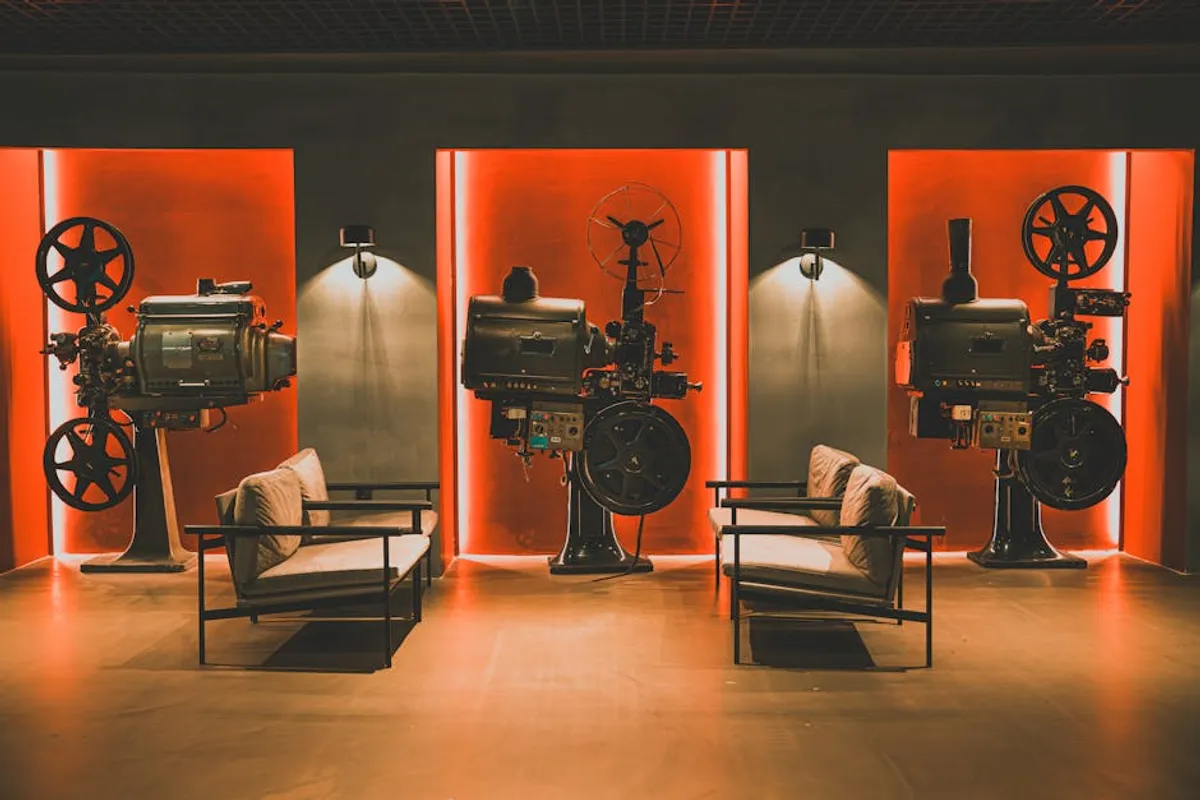
Understanding the enduring influence of classic cinema offers more than just a historical overview; it provides a foundational framework for appreciating how effective storytelling, visual communication, and thematic resonance achieve lasting impact. For content creators, marketers, and strategists, dissecting the mechanisms by which older films continue to shape contemporary productions reveals critical insights into audience engagement, narrative longevity, and the power of archetypes. This deep dive explores specific elements from cinema's past that actively inform and elevate today's filmmaking, offering lessons applicable to any pursuit aiming for timeless relevance and broad appeal.
The Enduring Power of Narrative Archetypes and Visual Language
Classic films established many of the narrative structures and visual grammar that filmmakers still employ today. These foundational works didn't just tell stories; they codified methods for conveying emotion, advancing plot, and building character through specific cinematic techniques.
Visual Language and Cinematographic Legacy
The visual lexicon of cinema owes much to early pioneers. Films like Orson Welles’ Citizen Kane (1941) popularized deep-focus cinematography, allowing multiple planes of action to remain sharp simultaneously, compelling viewers to actively scan the frame for information. This technique, revolutionary at the time, enhanced narrative complexity and psychological depth. Modern directors frequently employ variations of deep focus to create visually rich scenes that demand viewer attention, from intricate production designs in period dramas to complex action sequences where foreground and background elements are equally vital. Similarly, the dramatic use of chiaroscuro lighting in film noir, exemplified by works like The Maltese Falcon (1941) or Double Indemnity (1944), created a visual shorthand for moral ambiguity and suspense. This high-contrast aesthetic continues to signify tension and psychological conflict in thrillers and dramas, demonstrating how specific lighting choices can instantly communicate genre and mood.
Genre Foundations and Evolution
Many classic films were instrumental in defining the conventions of specific genres, providing templates that subsequent generations of filmmakers would either emulate or subvert. Westerns like John Ford’s Stagecoach (1939) established archetypal characters (the stoic hero, the vulnerable woman, the villainous outlaw) and narrative arcs (the journey, the confrontation, the redemption) that persist in various forms across action, adventure, and even sci-fi films. The horror genre, too, found its footing in early Universal monster movies such as Frankenstein (1931) and Dracula (1931), which introduced concepts of the sympathetic monster and the psychological terror of the unknown. These foundational elements are constantly reinterpreted; modern horror films often play with audience expectations built on these classic tropes, either by deconstructing them or by paying homage. Understanding these origins allows for more nuanced genre work, whether adhering to tradition or deliberately breaking from it.
Character Development and Audience Connection
The most impactful classic films often feature characters whose struggles, triumphs, and flaws resonate across decades. Their methods for building these characters offer blueprints for creating relatable and memorable figures in any narrative.
Psychological Depth and Relatability
Films like Alfred Hitchcock’s Psycho (1960) pioneered complex psychological character studies, delving into the fractured mind of Norman Bates with unprecedented depth. This approach moved beyond simplistic hero/villain dynamics, exploring the motivations and internal conflicts that drive human behavior. Modern cinema frequently employs similar techniques, using detailed backstories, internal monologues, and nuanced performances to craft characters that feel authentic and multi-dimensional. The exploration of moral ambiguity and the anti-hero, often seen in films like The Godfather (1972), also has roots in earlier character studies that challenged conventional notions of good and evil. These complex portrayals foster a deeper connection with audiences, as viewers see reflections of their own complexities and contradictions.
Iconic Performances as Brand Pillars
Certain actors in classic cinema delivered performances so iconic that they became synonymous with specific character types or emotional states. Humphrey Bogart's world-weary cynicism in Casablanca (1942) or Marilyn Monroe's effervescent charm in Some Like It Hot (1959) created lasting archetypes. These performances weren't just acting; they were definitive interpretations that set benchmarks for future portrayals. For modern content, this highlights the power of consistent, recognizable "brand" personalities, whether for fictional characters or real-world spokespeople. The way these actors embodied their roles and communicated specific traits visually and verbally offers lessons in projecting a clear, memorable identity that resonates with an audience, creating an enduring legacy.
Pro Tip: When analyzing classic cinema for content strategy, focus not just on 'what' story was told, but 'how' it was told. Identify specific camera movements, editing rhythms, dialogue patterns, or character arcs that elicited a strong audience response and consider how those fundamental communication principles can be adapted to modern digital content formats for similar impact.
Thematic Resonance Across Eras
The most influential classic films tackle themes that remain relevant regardless of societal shifts, proving that certain human experiences and conflicts are universal.
Universal Conflicts and Human Experience
Themes such as love, loss, ambition, sacrifice, and the search for identity are timeless, and classic films often explore them with profound insight. Akira Kurosawa’s Seven Samurai (1954), for instance, delves into themes of honor, duty, and the struggle of the common people against oppression. These narratives, despite their specific historical or cultural settings, tap into universal human conditions. Modern films frequently revisit these core themes, finding new ways to express them within contemporary contexts, from superhero narratives exploring sacrifice to indie dramas examining identity. The enduring appeal of these themes underscores their power to connect with diverse audiences across generations, providing a blueprint for content that aims for broad, lasting relevance.
Social Commentary and Cultural Reflection
Many classic films served as powerful reflections or critiques of their contemporary societies, and their commentary often remains pertinent. Charlie Chaplin’s Modern Times (1936) satirized industrialization and its dehumanizing effects, a message that continues to resonate in discussions about technology and labor. Similarly, Stanley Kubrick’s Dr. Strangelove (1964) offered a biting satire of Cold War paranoia and the absurdity of nuclear escalation. These films demonstrate how art can engage with pressing social issues, provoking thought and discussion. Modern filmmakers draw inspiration from this tradition, using their medium to address current political, social, and environmental concerns, often employing similar satirical or allegorical techniques to convey complex messages effectively.
Applying Cinematic Lessons to Modern Content Creation
The principles underpinning classic film influence are not confined to filmmaking. They offer valuable insights for any creator aiming to produce impactful, enduring content.
- Master Narrative Structures: Understand the foundational hero's journey, character arc, and conflict resolution patterns established in classic films. Apply these to blog posts, video scripts, or marketing campaigns to create compelling narratives.
- Prioritize Visual Storytelling: Analyze how classic films used lighting, framing, and editing to convey emotion and information without dialogue. Translate this to graphic design, video thumbnails, or even image selection for articles to enhance message delivery.
- Develop Archetypal Characters/Brands: Study how classic film characters embody universal traits. Define clear archetypes for your brand or content personas to create relatable and memorable identities that resonate with your target audience.
- Address Universal Themes: Identify the timeless human experiences and conflicts explored in classic cinema. Frame your content around these universal themes to ensure broader appeal and long-term relevance, even if the specific topic is niche.
- Study Pacing and Rhythm: Observe how classic films build suspense, deliver exposition, and manage emotional beats. Apply these pacing principles to your content's flow, ensuring engagement from introduction to conclusion.
- Embrace Subtlety and Subtext: Recognize how classic films often conveyed complex ideas through implication and suggestion. Integrate subtext into your messaging to encourage deeper audience engagement and interpretation.
Sustaining Impact Through Foundational Principles
The lasting influence of classic movies on modern cinema underscores a fundamental truth: effective storytelling relies on a core set of principles that transcend technological advancements and fleeting trends. By dissecting the narrative techniques, visual innovations, character development strategies, and thematic depths of these cinematic touchstones, content creators and strategists gain a powerful toolkit. This toolkit enables them to craft messages and experiences that not only capture immediate attention but also resonate deeply, ensuring their work holds meaning and impact for years to come. The goal is not imitation, but rather an informed application of timeless wisdom to create truly enduring content.
Frequently Asked Questions
What makes a classic film influential?
A classic film becomes influential by introducing groundbreaking techniques, establishing definitive genre conventions, portraying universal themes with exceptional depth, or creating iconic characters that resonate across generations, thereby shaping subsequent filmmaking approaches.
How do classic films impact modern visual storytelling?
Classic films established much of the visual grammar, including specific camera angles, lighting techniques, editing rhythms, and production design principles, that modern filmmakers adapt and innovate upon to convey mood, narrative, and character information.
Can lessons from classic cinema be applied to digital content?
Absolutely. The principles of effective narrative structure, character development, thematic resonance, and visual communication found in classic cinema are directly applicable to digital content, helping to create more engaging, memorable, and impactful articles, videos, and marketing campaigns.
Which specific classic films are most cited for their influence?
Films frequently cited for their profound influence include Citizen Kane for its narrative and visual innovation, Psycho for psychological depth, The Godfather for character and genre mastery, and many works by directors like Hitchcock, Kubrick, and Kurosawa for their enduring thematic and stylistic contributions.