Securing and executing a celebrity interview presents a unique opportunity to generate high-impact content, drive significant audience engagement, and elevate a publication's authority. Unlike standard interviews, these interactions carry inherent public interest and potential for widespread syndication, making the preparation, execution, and post-production phases critical for maximizing commercial value. The goal is not merely to capture quotes, but to extract unique insights, compelling narratives, and shareable moments that resonate with a target audience and extend content reach.
Pre-Interview Preparation: Laying the Groundwork
Researching Your Subject: Beyond the Headlines
Effective celebrity interviews begin with exhaustive research that moves beyond surface-level information. Focus on identifying less-reported aspects of their career, personal projects, or philanthropic endeavors that align with your publication's niche. Analyze previous interviews to pinpoint topics that were either under-explored or generated significant engagement. This deep dive allows for the formulation of questions that avoid repetition and demonstrate a genuine understanding of the individual, fostering a more authentic dialogue. For instance, instead of asking about a well-publicized film role, inquire about the challenges of a lesser-known passion project or the inspiration behind a specific creative decision.
Crafting Your Angle and Questions: Strategic Inquiry
Develop a clear editorial angle for the interview that provides a fresh perspective. This angle should inform every question, ensuring coherence and purpose. Construct open-ended questions designed to elicit detailed responses and personal anecdotes, rather than simple "yes" or "no" answers. Prioritize questions that address audience curiosity while also allowing the celebrity to share something new or unexpected. Organize questions thematically, starting with broader, rapport-building inquiries and progressing to more specific, impactful topics. Always have a few "fallback" questions ready in case the conversation stalls or takes an unexpected turn.
Logistics and Technical Setup: Ensuring Seamless Execution
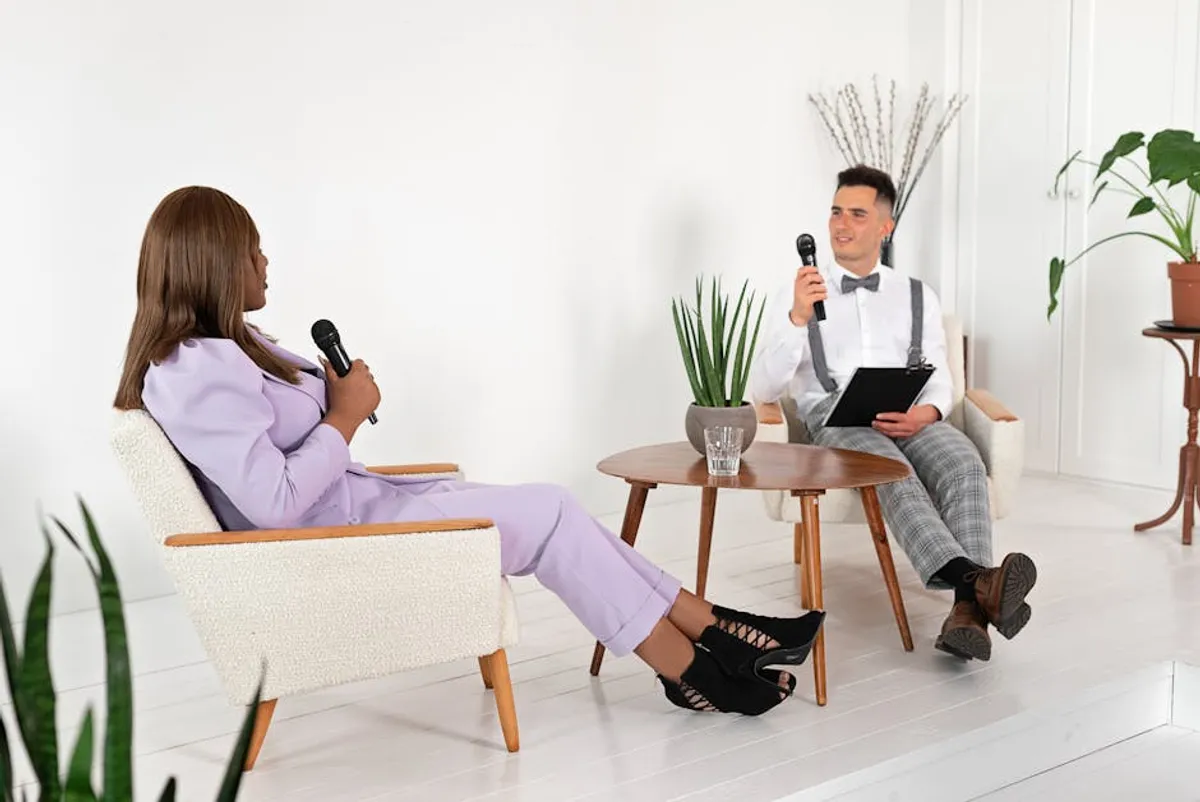
Confirm all logistical details well in advance, including the interview format (in-person, video call, phone), duration, and specific location requirements. For remote interviews, provide clear instructions for any necessary software or connection tests to prevent technical delays. Ensure all recording equipment—microphones, cameras, lighting—is fully charged, tested, and redundant. A reliable backup recorder is non-negotiable. For in-person settings, scout the location for optimal acoustics and minimal distractions. Confirm clear consent for recording and usage rights prior to the interview commencement to avoid post-production complications.
During the Interview: Maximizing Engagement and Insight
Building Rapport: The Human Connection
Begin the interview with a brief, genuine icebreaker that acknowledges the celebrity's recent work or a shared interest. This helps establish a comfortable atmosphere and signals respect for their time and contributions. Maintain eye contact, use active listening cues, and project a calm, confident demeanor. Remember that a celebrity is accustomed to media interactions; differentiating your approach through genuine curiosity and a respectful tone can lead to more candid responses.
Active Listening and Follow-Up: Uncovering Deeper Narratives
The most valuable insights often emerge from spontaneous follow-up questions. Avoid rigidly adhering to a script; instead, listen intently to responses and be prepared to deviate with relevant, probing questions. This demonstrates engagement and encourages the subject to elaborate, often revealing nuanced perspectives that were not initially planned. Prioritize clarity over speed, allowing ample time for comprehensive answers without interruption.
Managing Time and Expectations: Professional Conduct
Be acutely aware of the allocated interview time and manage the conversation pace accordingly. Signal when the interview is nearing its end, allowing the celebrity to provide a final thought or summarize. Maintain professionalism throughout, even if the conversation veers off-topic or becomes challenging. A polite, firm redirect can keep the interview focused without alienating the subject. Conclude by expressing gratitude for their time and reiterating the publication's appreciation.
Pro Tip: Always secure a high-quality audio recording as the primary capture. Even if conducting a video interview, a clean audio track is paramount for accurate transcription and ensures content usability if video quality falters. Test all audio inputs immediately before the interview begins, even if it means a quick sound check with the publicist or assistant.
Post-Interview Process: From Raw Footage to Polished Content
Transcription and Review: Accuracy and Context
Accurate transcription is the foundation of quality content. Utilize professional transcription services or dedicated software for efficiency, but always conduct a thorough manual review against the audio recording. Correct any errors, identify unclear passages, and insert contextual notes where necessary. This step ensures that quotes are attributed correctly and retain their original meaning, preventing misrepresentation.
Crafting the Narrative: Editing for Impact
The raw transcript is merely raw material. The editing process involves shaping the interview into a compelling narrative that aligns with your publication's style and audience expectations. Focus on extracting the most insightful quotes, anecdotes, and key takeaways. Structure the content logically, using subheadings to guide the reader through different themes. Eliminate redundancies, awkward phrasing, and filler words to create a concise, engaging piece. The goal is to highlight the celebrity's unique voice while delivering maximum informational value.
Approvals and Distribution: Finalizing and Reaching Your Audience
Depending on pre-interview agreements, the celebrity's team may require a review period for accuracy or fact-checking. Adhere strictly to these timelines. Once final approval is secured, optimize the content for digital distribution. This includes:
- Crafting compelling headlines and meta descriptions that incorporate relevant keywords.
- Selecting high-quality accompanying imagery or video clips.
- Integrating internal and external links to provide additional context or related content.
- Developing a strategic social media promotion plan to maximize reach across platforms.
Sustaining Relationships: Long-Term Value
A successful interview extends beyond the published piece. Follow up with a thank-you note to the celebrity and their team. Share the published article and any positive feedback or engagement metrics. Maintaining a professional and courteous relationship can open doors for future collaborations, exclusive content opportunities, and positive word-of-mouth within the industry, contributing to your publication's long-term reputation.
Key Takeaways for Successful Celebrity Interviews
To consistently produce impactful celebrity interviews, prioritize meticulous preparation, active and adaptive engagement during the conversation, and rigorous post-production. Focus on delivering unique angles and genuine insights that resonate with your audience, ensuring that each interaction builds commercial value and reinforces your publication's authority. Strategic follow-up solidifies professional relationships, paving the way for sustained content opportunities.
Frequently Asked Questions
How long should a celebrity interview typically be?
Interview durations vary significantly, often ranging from 10-15 minutes for high-demand individuals to 30-60 minutes for more in-depth features. Always confirm the allotted time with their publicist in advance and plan your questions accordingly.
What is the best way to get a celebrity's publicist to respond?
Craft a concise, professional pitch that clearly outlines your publication's reach, the proposed interview angle, and why their client would benefit. Personalize the outreach, referencing specific work or achievements, and follow up politely after a reasonable period.
Should I send questions in advance?
Some publicists prefer to receive questions in advance for approval or to prepare their client. Always inquire about their preference. If questions are sent, be prepared to adapt if the conversation naturally leads in a different direction.
What if a celebrity avoids a question?
If a question is avoided, you can gently rephrase it or approach the topic from a different angle. If they consistently deflect, respect their boundary and move on to another question to maintain a positive flow and professional atmosphere.