
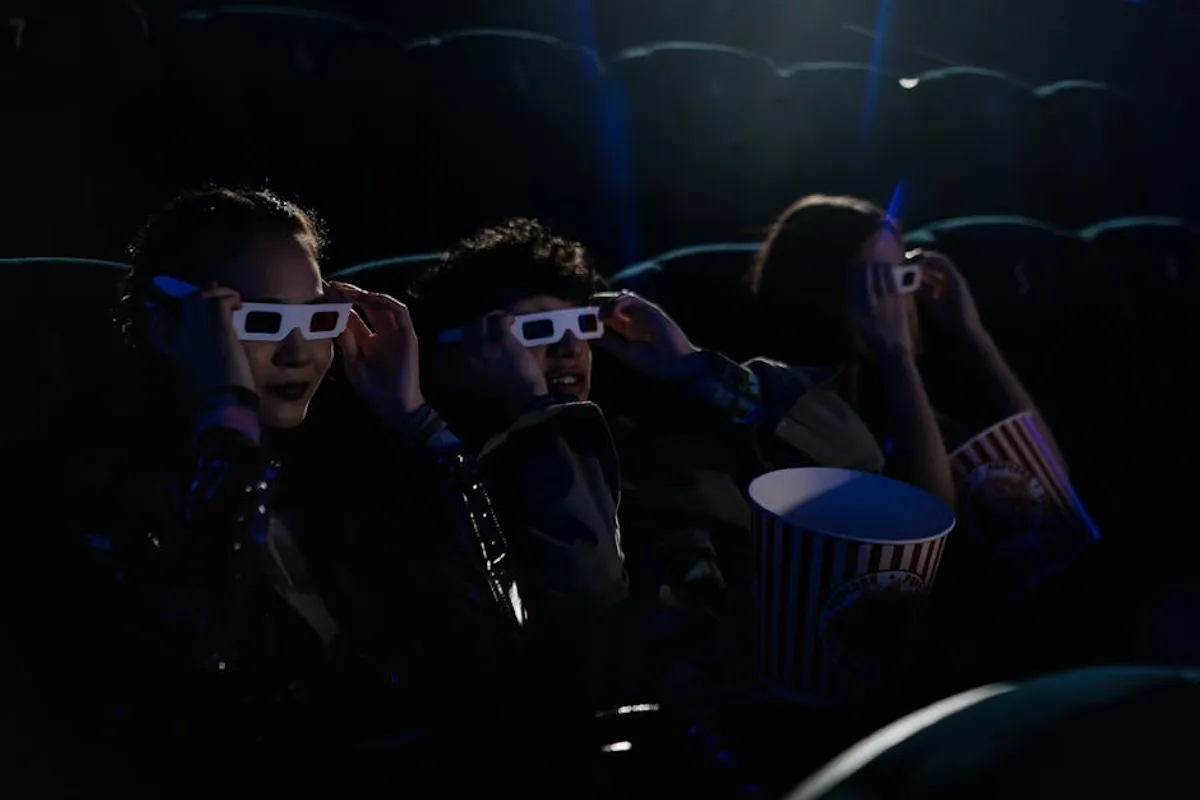
Navigating the current cinematic landscape to identify truly impactful films requires discerning taste and an understanding of what constitutes a valuable viewing experience. This year presents a diverse slate of releases, ranging from critically lauded independent features to large-scale blockbusters that redefine genre conventions. For audiences seeking more than just ephemeral entertainment, the criteria for selection extend beyond mere spectacle to encompass narrative depth, technical innovation, and lasting cultural resonance. The films highlighted here represent significant contributions to contemporary cinema, each offering distinct artistic merit and a compelling reason for dedicated engagement. Whether your preference leans towards intricate character studies, groundbreaking visual effects, or thought-provoking social commentary, this curated selection aims to guide you toward productions that deliver substantial artistic and intellectual returns on your viewing time.
How to Select Your Next Film
Choosing a film that aligns with your viewing preferences and expectations involves considering several key factors beyond surface-level genre appeal. Assess the critical consensus: while not the sole determinant, strong reviews often indicate a film’s artistic integrity and execution quality. Consider the director and lead actors; a consistent track record can signal a particular style or level of performance. Evaluate the film's thematic depth; does it promise to engage with complex ideas or offer a fresh perspective on familiar narratives? Finally, factor in the viewing environment: some films, particularly those with expansive cinematography or intricate sound design, benefit significantly from a theatrical experience, while others are well-suited for home streaming. Prioritizing these elements ensures a more deliberate and satisfying selection process.
1. Dune: Part Two
Denis Villeneuve’s continuation of Frank Herbert’s seminal sci-fi saga expands upon the already vast universe with heightened stakes and visual grandeur. This installment delves deeper into Paul Atreides' integration with the Fremen, his burgeoning leadership, and the prophesied holy war against the Harkonnens. The film meticulously crafts an immersive world, balancing epic scale with intimate character development. Its technical achievements in cinematography, sound design, and practical effects set a new benchmark for the genre, creating a truly transportive cinematic event that demands full attention.
Best For: Viewers who appreciate expansive world-building, intricate political narratives, and visually stunning, immersive sci-fi epics with a philosophical core.
Pros:
- Exceptional visual effects and sound design create a deeply immersive experience.
- Complex narrative explores themes of destiny, power, and religious fanaticism.
- Strong performances from a large ensemble cast, particularly Timothée Chalamet and Zendaya.
- Maintains narrative momentum while expanding on the source material.
Cons:
- Long runtime may challenge viewers not fully invested in the lore.
- Pacing can be deliberate, focusing on atmosphere over constant action.
Verdict: An essential cinematic achievement that elevates the science fiction genre through its ambitious storytelling and unparalleled technical execution, making it a definitive watch for those seeking profound spectacle.
2. Poor Things
Yorgos Lanthimos's surreal, darkly comedic, and visually audacious film is a Frankensteinian tale reimagined through a feminist lens. Emma Stone delivers a transformative performance as Bella Baxter, a young woman brought back to life by a mad scientist, who embarks on a journey of self-discovery and sexual liberation in a fantastical, anachronistic Europe. The film challenges societal norms and expectations with its provocative themes, distinct aesthetic, and uncompromising vision, making it a unique and often unsettling experience.
Best For: Audiences seeking avant-garde cinema, dark humor, philosophical explorations of identity and freedom, and bold, original visual storytelling.
Pros:
- Emma Stone's fearless and acclaimed central performance.
- Distinctive visual style and production design create a memorable, unique world.
- Provocative themes of autonomy, sexuality, and societal conditioning.
- Challenges conventional narrative structures and character arcs.
Cons:
- Explicit content and graphic imagery may be off-putting for some viewers.
- The film's unconventional tone and pacing require an open-minded audience.
Verdict: A divisive yet undeniably brilliant work that pushes artistic boundaries, offering a rich, complex, and often uncomfortable examination of human experience through a truly original lens.
3. Oppenheimer
Christopher Nolan's biographical epic meticulously chronicles the life of J. Robert Oppenheimer, the theoretical physicist credited as the "father of the atomic bomb." The film navigates complex ethical dilemmas, political intrigue, and personal struggles, presenting a non-linear narrative that builds tension and explores the profound consequences of scientific innovation. Its technical precision, compelling performances, and historical weight make it a demanding yet deeply rewarding viewing experience.
Best For: Viewers interested in historical dramas, biographical narratives, complex moral questions, and intense, character-driven storytelling with significant intellectual depth.
Pros:
- Cillian Murphy's compelling and nuanced portrayal of Oppenheimer.
- Masterful direction by Christopher Nolan, utilizing practical effects and immersive sound design.
- Explores profound ethical and philosophical questions about scientific responsibility.
- Engaging non-linear narrative structure maintains tension and intellectual engagement.
Cons:
- Extensive dialogue and complex scientific/political discussions demand sustained attention.
- Long runtime requires significant viewer commitment.
Verdict: A monumental historical drama that transcends its biographical scope to offer a powerful and unsettling meditation on power, morality, and the irreversible impact of human ingenuity.
4. Past Lives
Celine Song’s directorial debut is a poignant and understated romantic drama exploring themes of destiny, connection, and the paths not taken. The film follows Nora and Hae Sung, two childhood sweethearts separated by emigration, who reconnect decades later in New York. Their story unfolds with quiet intensity, examining the concept of "in-yeon" (a Korean idea of predestined connection) and the delicate balance between past attachments and present realities. Its emotional depth and subtle performances resonate long after viewing.
Best For: Audiences who appreciate intimate, character-driven dramas, nuanced romantic narratives, and films that explore cultural identity and the complexities of human connection.
Pros:
- Exquisite performances by Greta Lee and Teo Yoo convey deep emotional resonance.
- Thought-provoking exploration of love, destiny, and missed opportunities.
- Subtle and realistic portrayal of relationships avoids genre clichés.
- Visually understated yet emotionally impactful cinematography.
Cons:
- Slow, deliberate pacing may not appeal to all viewers.
- Its introspective nature offers less overt dramatic conflict.
Verdict: A masterclass in understated storytelling, offering a deeply moving and universally relatable meditation on the lingering echoes of past relationships and the choices that shape our lives.
5. Killers of the Flower Moon
Martin Scorsese’s epic crime drama uncovers the chilling true story of the Osage Nation murders in 1920s Oklahoma, where wealthy Osage people were systematically killed for their oil rights. The film, starring Leonardo DiCaprio, Robert De Niro, and Lily Gladstone, is a sprawling examination of greed, betrayal, and systemic injustice. Scorsese employs a meticulous historical approach, creating a narrative that is both a gripping true-crime saga and a profound commentary on American history.
Best For: Viewers seeking historical true-crime dramas, complex character studies of moral corruption, and films with significant social and historical commentary.
Pros:
- Powerful and authentic performances, particularly Lily Gladstone's acclaimed role.
- Meticulous historical reconstruction and detailed period setting.
- Exposes a dark, often overlooked chapter of American history.
- Scorsese's masterful direction creates a compelling and unsettling atmosphere.
Cons:
- Very long runtime demands substantial commitment.
- The narrative's focus on the perpetrators can be challenging for some viewers.
Verdict: A weighty and essential historical document, presented with Scorsese's signature cinematic power, forcing a confrontation with uncomfortable truths about American expansion and racial injustice.
6. Anatomy of a Fall
Justine Triet’s Palme d'Or-winning legal drama is a meticulously crafted psychological thriller centered on a writer accused of her husband's murder. The film unfolds primarily through a courtroom trial, dissecting the couple's complex relationship and the ambiguity surrounding the death. It challenges audience perceptions of truth, memory, and the nature of marital dynamics, relying on sharp dialogue and nuanced performances to build its compelling narrative.
Best For: Enthusiasts of legal dramas, psychological thrillers, and films that explore ambiguity, moral complexity, and the intricacies of human relationships.
Pros:
- Sandra Hüller delivers a captivating and ambiguous central performance.
- Sharp, intelligent screenplay dissects a marriage and the pursuit of truth.
- Maintains suspense and intellectual engagement without relying on conventional plot twists.
- Explores themes of perception, language, and judicial process.
Cons:
- The film's deliberate pacing and dialogue-heavy nature may not appeal to all.
- Its ambiguity can be frustrating for viewers seeking definitive answers.
Verdict: A sophisticated and intellectually stimulating drama that masterfully blurs the lines of guilt and innocence, providing a profound examination of how narratives are constructed and perceived.
7. The Holdovers
Alexander Payne’s poignant and humorous character study reunites him with Paul Giamatti as a curmudgeonly classics teacher at a New England boarding school. Set during a snowy Christmas break in the early 1970s, the film follows the unlikely bond formed between the teacher, a grieving cook, and a bright but troubled student left behind. It’s a warm, melancholic, and deeply human film, evoking classic Hollywood dramas with its sharp dialogue and empathetic storytelling.
Best For: Audiences who enjoy character-driven dramas with a strong sense of place, witty dialogue, and a blend of humor and melancholy, particularly fans of classic 70s cinema.
Pros:
- Paul Giamatti delivers a career-defining performance as the cantankerous teacher.
- Heartfelt and humorous screenplay balances wit with genuine emotion.
- Evokes a strong nostalgic atmosphere of the early 1970s.
- Explores themes of loneliness, connection, and finding family in unexpected places.
Cons:
- The narrative is largely character-focused, with less emphasis on plot.
- Its melancholic tone may not appeal to viewers seeking pure escapism.
Verdict: A beautifully crafted and deeply moving film that offers a timeless story of human connection, elevated by exceptional performances and a perfectly realized nostalgic aesthetic.
8. Godzilla Minus One
Takashi Yamazaki’s Japanese production reinvigorates the Godzilla franchise with a post-World War II narrative, portraying the iconic monster as a terrifying force of nature and a metaphor for national trauma. This film grounds the spectacle in compelling human drama, focusing on the struggles of survivors grappling with loss and the emergence of a new, devastating threat. Its practical effects and emotional depth stand out, earning critical acclaim for its fresh approach to a classic kaiju story.
Best For: Fans of monster movies who appreciate strong human narratives, exceptional visual effects on a contained budget, and themes of resilience and collective trauma.
Pros:
- Grounds the monster spectacle in a compelling, emotional human story.
- Outstanding visual effects, particularly for its budget, create a genuinely terrifying Godzilla.
- Explores themes of post-war trauma, duty, and the cost of survival.
- Offers a fresh, critically acclaimed take on the classic kaiju genre.
Cons:
- Some character arcs, while strong, can feel slightly melodramatic.
- The focus on human drama might be less appealing to viewers seeking pure monster action.
Verdict: A triumph of monster filmmaking that proves spectacle can be married with profound human emotion, delivering both exhilarating action and a resonant narrative of collective struggle.
9. The Zone of Interest
Jonathan Glazer’s chilling drama offers a stark and unsettling depiction of the Holocaust, focusing not on the atrocities themselves, but on the domestic life of Auschwitz commandant Rudolf Höss and his family, who live idyllically next to the camp walls. The film employs a detached, observational style, with the horrors of the camp conveyed primarily through unsettling sound design and subtle visual cues. It’s a powerful, disturbing, and deeply thought-provoking exploration of complicity and the banality of evil.
Best For: Viewers seeking challenging, art-house cinema, historical dramas with an unconventional approach, and films that provoke deep reflection on human capacity for indifference.
Pros:
- Unconventional and highly effective approach to depicting the Holocaust.
- Brilliant use of sound design to convey unseen horrors, creating immense psychological impact.
- Provokes profound reflection on complicity, dehumanization, and the banality of evil.
- Visually precise and deliberately unsettling cinematography.
Cons:
- The film's detached style and subject matter can be emotionally challenging and disturbing.
- Requires active engagement from the viewer to fully grasp its implications.
Verdict: A uniquely impactful and deeply disturbing cinematic experience that redefines how historical atrocities can be portrayed, leaving a lasting and uncomfortable impression.
10. Challengers
Luca Guadagnino’s sports drama blends high-stakes tennis with a complex love triangle, featuring Zendaya, Josh O'Connor, and Mike Faist. The narrative jumps between past and present, revealing the intricate relationships and rivalries that define the characters’ lives and careers. It’s a stylish, energetic, and psychologically charged film that uses the competitive world of professional tennis as a backdrop for exploring desire, ambition, and manipulation.
Best For: Audiences who enjoy stylish dramas, psychological thrillers with a romantic edge, and films that explore complex character dynamics and competitive relationships.
Pros:
- Energetic and stylish direction by Luca Guadagnino.
- Strong, charismatic performances from the central trio, especially Zendaya.
- Engaging non-linear narrative keeps the audience invested in the unfolding drama.
- Unique blend of sports action and psychological relationship drama.
Cons:
- The film’s focus on morally ambiguous characters may not appeal to all.
- Some viewers might find the narrative structure occasionally disorienting.
Verdict: A visually arresting and emotionally charged drama that uses the intensity of professional tennis to explore the intricate and often manipulative nature of human desire and ambition.
11. Civil War
Alex Garland’s provocative dystopian thriller depicts a near-future America fractured by a second civil war, following a team of war journalists attempting to reach Washington D.C. before it falls. The film focuses on the visceral, chaotic reality of conflict, eschewing explicit political allegories in favor of a raw, unflinching portrayal of violence and its impact on those who document it. It’s a tense, action-packed, and often disturbing meditation on the fragility of society.
Best For: Viewers seeking intense action thrillers, dystopian narratives, and films that explore the ethics of journalism and the consequences of societal collapse.
Pros:
- Visceral, immersive cinematography and sound design create a truly intense experience.
- Strong performances, particularly from Kirsten Dunst as the jaded photojournalist.
- Provokes discussion on the role of media in conflict and the nature of societal breakdown.
- Maintains high tension and a relentless pace throughout its runtime.
Cons:
- The film's deliberate ambiguity regarding the war's origins may frustrate some viewers.
- Graphic violence and disturbing imagery can be challenging to watch.
Verdict: A powerful and unsettling cinematic experience that functions as a stark warning and a gripping portrayal of conflict, challenging audiences to confront uncomfortable realities about societal division.
12. Furiosa: A Mad Max Saga
George Miller’s prequel to Mad Max: Fury Road delves into the origin story of Imperator Furiosa, chronicling her abduction from the Green Place of Many Mothers and her brutal journey through the Wasteland. Anya Taylor-Joy takes on the titular role, navigating the dangerous world dominated by warlords like Dementus (Chris Hemsworth). The film maintains the high-octane, visually spectacular action and unique aesthetic that defines the franchise, offering a deeper look into a beloved character's past.
Best For: Fans of the Mad Max franchise, action cinema enthusiasts, and those who appreciate elaborate practical effects, expansive world-building, and strong female protagonists.
Pros:
- Delivers the signature high-octane action and stunning visual spectacle of the Mad Max universe.
- Anya Taylor-Joy and Chris Hemsworth provide compelling performances.
- Expands on the lore and backstory of the iconic Furiosa character.
- Masterful direction by George Miller maintains narrative drive and visual coherence.
Cons:
- The narrative, while engaging, can feel episodic at times.
- May not resonate as strongly with viewers unfamiliar with the Mad Max universe.
Verdict: A thrilling and visually audacious prequel that successfully builds upon the legacy of Fury Road, offering a rich origin story packed with relentless action and a compelling character journey.
Maximizing Your Movie Experience
Beyond simply selecting a film, optimizing your viewing experience enhances engagement and appreciation. For visually driven epics like Dune: Part Two or Furiosa, seeking out premium large format screenings (IMAX, Dolby Cinema) can significantly elevate the impact of their cinematography and sound design. For more intimate dramas or psychologically intense films such as Past Lives or The Zone of Interest, a quiet, distraction-free environment at home allows for deeper immersion in their nuanced narratives and thematic complexities. Consider engaging with post-viewing discussions or critical analyses to deepen your understanding and connect with broader interpretations. A thoughtful approach to both selection and consumption ensures that each film delivers its intended artistic and emotional value.
Frequently Asked Questions
Which of these films are suitable for family viewing?
Generally, most films on this list are intended for mature audiences due to complex themes, violence, or explicit content. The Holdovers may be suitable for older teens (PG-13 equivalent for language and mature themes), but parental discretion is advised for all. Films like Poor Things, Killers of the Flower Moon, The Zone of Interest, Challengers, Civil War, and Furiosa contain elements that make them unsuitable for younger viewers.
Are these films primarily available in theaters or streaming?
Many of these films began their runs in theatrical release, with some subsequently moving to premium video-on-demand (PVOD) or subscription streaming services. Release windows vary by distributor and region. It's advisable to check specific availability on major streaming platforms or local cinema listings for the most current information, as this can change frequently.
How do I choose between a critically acclaimed film and a popular blockbuster?
Your choice depends on your viewing goals. Critically acclaimed films often prioritize artistic merit, narrative depth, and challenging themes, offering a thought-provoking experience. Popular blockbusters typically focus on