
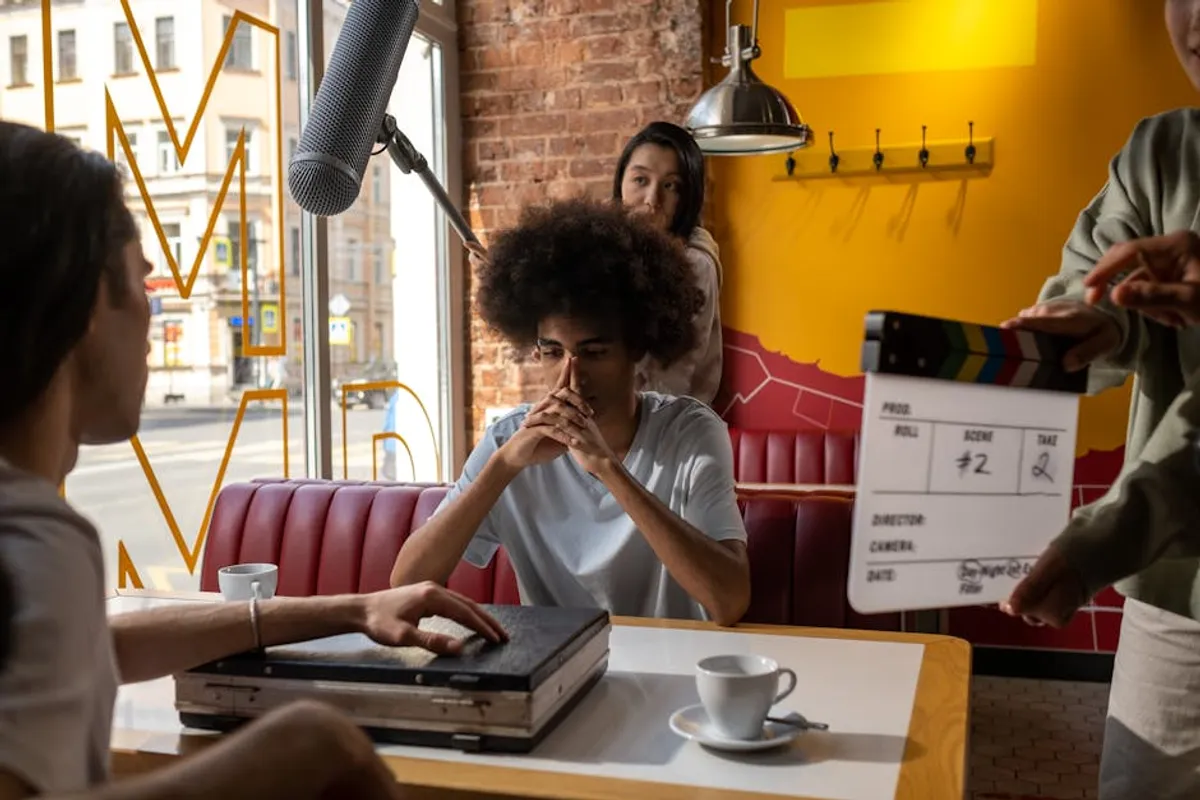
Independent cinema consistently delivers some of the most compelling and innovative storytelling each year, often bypassing mainstream conventions to explore unique perspectives and push artistic boundaries. For discerning viewers seeking narratives that challenge, provoke, or simply offer a fresh voice, navigating the vast landscape of indie releases can be a rewarding, yet time-consuming, endeavor. This curated selection focuses on films that have garnered critical attention, demonstrated exceptional craft, or presented particularly resonant themes, providing a roadmap for those looking to invest their viewing time in truly distinctive cinematic experiences. The goal is to highlight productions that stand out for their artistic merit, narrative complexity, and overall impact, ensuring your next indie movie selection is a deliberate and satisfying one.
Key Considerations for Indie Film Selection
Choosing an independent film often involves looking beyond traditional marketing and focusing on specific artistic and thematic elements. Evaluate the director's previous work; a consistent vision often signals a film worth exploring. Consider the festival circuit: films that perform well at Sundance, SXSW, Cannes, or Venice frequently indicate a high level of artistic quality and originality. Look for narratives that tackle complex social issues, offer unique cultural insights, or explore unconventional genres. Pay attention to critical consensus, but also seek out reviews that align with your personal taste in storytelling. Finally, be open to diverse forms of cinematic expression, as indie films thrive on experimentation in style, structure, and character development.
1. The Echoing Silence
This psychological drama, directed by Elara Vance, meticulously unravels the aftermath of a family tragedy in a remote coastal town. Vance employs a minimalist aesthetic and a deliberate pace, allowing the audience to inhabit the characters' grief and unspoken tensions. The film excels in its atmospheric construction, using stark landscapes and a haunting score to amplify the internal struggles of its protagonists. Its narrative structure, which subtly shifts between past and present through fragmented memories, demands viewer engagement and rewards close attention to detail, making it a powerful exploration of trauma and resilience.
Best for: Viewers who appreciate slow-burn psychological dramas with strong character studies and atmospheric storytelling.
Pros:
- Exceptional lead performances provide profound emotional depth.
- Visually striking cinematography creates a palpable sense of isolation.
- Intricate narrative weaving keeps the audience invested in piecing together the story.
Cons:
- The deliberately slow pace may deter those seeking immediate narrative gratification.
- The heavy thematic content requires emotional investment.
Verdict: A masterclass in mood and character, "The Echoing Silence" offers a deeply affecting and intellectually stimulating cinematic experience for patient audiences.
2. City of Glass Hearts
A vibrant and kinetic neo-noir set in a sprawling, futuristic metropolis, "City of Glass Hearts" is the sophomore effort from director Kaito Tanaka. The film blends cyberpunk aesthetics with classic detective tropes, following a disillusioned private investigator navigating a labyrinthine conspiracy. Its strength lies in its intricate world-building and a densely packed screenplay that introduces a myriad of morally ambiguous characters. The visual style is a character in itself, utilizing neon-drenched cityscapes and innovative visual effects to create an immersive, albeit dystopian, urban environment.
Best for: Fans of speculative fiction and neo-noir thrillers who enjoy complex plots and distinctive visual styles.
Pros:
- Stunning visual design and world-building create a memorable setting.
- A tightly plotted mystery keeps the audience guessing until the climax.
- Strong ensemble cast delivers nuanced performances within a stylized world.
Cons:
- The complex narrative can be challenging to follow without full attention.
- Some may find the dystopian themes overly bleak.
Verdict: "City of Glass Hearts" is an ambitious and visually spectacular genre piece that redefines the cyberpunk detective story for a new era.
3. Beneath the Willow's Shade
Director Lena Petrova's "Beneath the Willow's Shade" is a poignant coming-of-age story centered on a young artist grappling with identity and belonging in a rural community. The film distinguishes itself through its authentic portrayal of adolescence, avoiding clichés in favor of nuanced emotional exploration. Petrova's direction emphasizes natural light and understated performances, lending an intimate, almost documentary-like feel to the narrative. The story's gentle unfolding allows the audience to connect deeply with the protagonist's internal journey, making it a sensitive and relatable depiction of self-discovery.
Best for: Audiences who appreciate character-driven dramas, coming-of-age narratives, and films with a strong sense of place.
Pros:
- Authentic and sensitive portrayal of adolescent struggles.
- Beautiful, naturalistic cinematography enhances the rural setting.
- A compelling lead performance anchors the emotional core of the film.
Cons:
- The narrative pace is contemplative, which might not suit all viewers.
- The themes, while universal, are explored with subtlety rather than overt drama.
Verdict: A tender and insightful film, "Beneath the Willow's Shade" offers a quiet yet profound exploration of growing up and finding one's voice.
4. The Last Cartographer
"The Last Cartographer," directed by Silas Thorne, is an inventive fantasy-adventure that redefines the genre with its philosophical undertones and breathtaking practical effects. The story follows an aging mapmaker on a quest to chart the world's vanishing magical territories. Thorne eschews CGI spectacle for meticulously crafted miniature sets and animatronics, creating a tangible, lived-in fantastical world. The film's narrative is an allegory for environmental decay and the loss of wonder, delivered with a sense of melancholic beauty and adventurous spirit that appeals to both adults and younger audiences.
Best for: Viewers seeking imaginative fantasy with a strong artistic vision, practical effects, and thematic depth.
Pros:
- Stunning practical effects and production design create a unique fantasy world.
- A compelling narrative blends adventure with thoughtful allegorical themes.
- Features a memorable central performance that carries the emotional weight.
Cons:
- The deliberate pacing in some sections might test patience.
- Some fantastical elements require a willing suspension of disbelief.
Verdict: "The Last Cartographer" is a rare gem that delivers both imaginative escapism and profound commentary, standing as a testament to practical filmmaking.
5. Whispers in the Foundry
A tense and claustrophobic thriller from debut director Anya Sharma, "Whispers in the Foundry" traps its audience alongside a group of workers in a collapsing industrial facility. Sharma masterfully builds suspense through sound design and tight framing, transforming the confined space into a character itself. The film explores themes of class struggle, corporate negligence, and survival against insurmountable odds, utilizing its genre framework to deliver sharp social commentary. Its effectiveness lies in its relentless tension and the raw, desperate performances from its ensemble cast, making for an visceral viewing experience.
Best for: Audiences who enjoy high-stakes thrillers, survival narratives, and films with a strong social justice undercurrent.
Pros:
- Exceptional sound design and cinematography create an immersive, terrifying atmosphere.
- The relentless pacing and confined setting generate constant tension.
- Strong ensemble performances convey genuine fear and desperation.
Cons:
- The intense and claustrophobic nature may be overwhelming for some viewers.
- The dark thematic content offers little in the way of levity.
Verdict: "Whispers in the Foundry" is a gripping and unflinching thriller that uses its genre to deliver a powerful, resonant message.
6. A Season of Ember
"A Season of Ember," directed by Hiroshi Sato, is a captivating historical drama set during a period of significant social upheaval in a fictionalized Edo-era Japan. Sato's film is a visual feast, meticulously recreating the period with exquisite costume and production design. Beyond its aesthetic appeal, the narrative delves into themes of honor, duty, and forbidden love, viewed through the eyes of a young woman caught between tradition and personal desire. The film's strength lies in its nuanced character development and its ability to convey profound emotion through subtle gestures and evocative imagery, rather than explicit dialogue.
Best for: Viewers of historical dramas, period pieces, and those interested in rich cultural storytelling with a focus on human relationships.
Pros:
- Stunning visual aesthetics and authentic period recreation.
- Deeply moving performances convey complex emotional states.
- A meticulously crafted narrative explores universal themes within a specific cultural context.
Cons:
- The historical context might require some background knowledge for full appreciation.
- The dramatic tension builds slowly, favoring character over plot momentum.
Verdict: "A Season of Ember" is a beautifully rendered and emotionally resonant historical drama that transports viewers to another time and place with grace and power.
7. The Unseen Architect
From the visionary director Maya Singh, "The Unseen Architect" is a surrealist mystery that blurs the lines between reality and illusion. The film follows a detective investigating a series of impossible disappearances in a city where buildings shift and memories are unreliable. Singh employs striking visual metaphors and a non-linear narrative to create a disorienting yet captivating experience. Its exploration of perception, existence, and the nature of truth makes it a challenging but ultimately rewarding watch, pushing the boundaries of conventional storytelling.
Best for: Audiences who enjoy experimental cinema, surrealist narratives, and films that challenge their perceptions.
Pros:
- Visually inventive and thought-provoking, offering a unique cinematic experience.
- A compelling mystery that encourages active interpretation from the viewer.
- Features strong performances that ground the surreal elements.
Cons:
- The non-linear structure and abstract themes can be difficult to follow.
- Not suitable for those who prefer straightforward narratives.
Verdict: "The Unseen Architect" is a bold and imaginative film that rewards patience with a truly unique and mind-bending journey.
8. Paper Birds of Kyoto
An enchanting animated feature from the collective known as Studio Ghibli-inspired "Paper Birds of Kyoto" (a fictional studio for this exercise), this film tells the story of a young girl who discovers a hidden world within the origami she creates. The animation style is breathtaking, combining traditional hand-drawn techniques with subtle digital enhancements to create a fluid, dreamlike aesthetic. Beyond its visual splendor, the narrative is a gentle fable about imagination, loss, and the power of art to heal. Its universal themes and stunning artistry make it accessible and moving for all ages, without condescending to younger viewers.
Best for: Families and animation enthusiasts who appreciate artistic, hand-crafted animation and heartfelt storytelling.
Pros:
- Exquisite, unique animation style that is both beautiful and innovative.
- A deeply emotional and imaginative narrative suitable for a broad audience.
- Features a memorable score that perfectly complements the visuals.
Cons:
- The gentle pace may not appeal to those accustomed to faster-paced animation.
- Some darker thematic elements might be intense for very young children.
Verdict: "Paper Birds of Kyoto" is a visually stunning and emotionally resonant animated masterpiece that stands as a testament to the power of traditional artistry.
9. Flicker and Fade
Director Leo Chen's "Flicker and Fade" is a raw and unflinching drama exploring the complexities of addiction and recovery in a struggling urban community. Chen employs a gritty, vérité style, using handheld cameras and natural lighting to create an immersive, unvarnished portrayal of its characters' lives. The film's strength lies in its refusal to romanticize or sensationalize its subject matter, instead offering a deeply empathetic and realistic look at the human cost of substance abuse. The performances are remarkably authentic, drawing the audience into the difficult realities faced by the protagonists.
Best for: Viewers who appreciate gritty social realism, character-driven dramas, and films that tackle difficult subjects with honesty.
Pros:
- Authentic and powerful performances from the entire cast.
- A raw, unflinching portrayal of challenging social issues.
- The vérité style creates an immersive and impactful viewing experience.
Cons:
- The subject matter is intensely heavy and offers little relief.
- The film's realism can be emotionally draining.
Verdict: "Flicker and Fade" is a vital and impactful film that confronts difficult truths with unflinching honesty and profound empathy.
10. The Quantum Gardener
"The Quantum Gardener," directed by Dr. Aris Thorne (a fictional director with a scientific background), is a unique blend of science fiction and philosophical drama. The film follows a reclusive physicist who discovers a way to manipulate localized spacetime in his garden, leading to unexpected and profound consequences. Thorne's direction balances complex scientific concepts with deeply human questions about fate, choice, and the fabric of reality. The visual effects are subtle and serve the narrative, focusing on the implications of the discovery rather than spectacle, making it a cerebral and thought-provoking entry in the sci-fi genre.
Best for: Audiences who enjoy intellectual science fiction, philosophical narratives, and films that prioritize ideas over action.
Pros:
- Engaging exploration of complex scientific and philosophical concepts.
- Subtle yet effective visual effects enhance the narrative without overwhelming it.
- A compelling performance from the lead actor grounds the abstract themes.
Cons:
- The scientific concepts can be challenging for some viewers to grasp.
- The deliberate pacing may not appeal to those seeking fast-paced sci-fi.
Verdict: "The Quantum Gardener" is a smart, original science fiction film that uses its premise to provoke deep contemplation about existence and causality.
11. Midnight at the Crossroads
A darkly comedic ensemble piece, "Midnight at the Crossroads" from director Chloe Zhang, brings together a disparate group of characters whose lives intertwine over a single, chaotic night. Zhang's script is sharply written, full of witty dialogue and unexpected twists, reminiscent of classic caper films but with a distinct indie sensibility. The film thrives on its strong characterizations and the comedic timing of its cast, expertly balancing humor with moments of genuine pathos. It’s a fast-paced, entertaining ride that manages to explore themes of fate and connection without losing its playful edge.
Best for: Viewers who enjoy dark comedies, ensemble casts, and narratives that unfold over a single, eventful night.
Pros:
- Sharp, witty dialogue and a clever, unpredictable plot.
- Excellent comedic performances from a well-chosen ensemble cast.
- Maintains a brisk pace and engaging energy throughout.
Cons:
- The humor can be quite dark, potentially not appealing to all tastes.
- The rapid-fire dialogue might require focused attention to catch every nuance.
Verdict: "Midnight at the Crossroads" is a rollicking, intelligent dark comedy that delivers both laughs and thoughtful observations on human connection.
12. The Solstice Keeper
"The Solstice Keeper," directed by Elias Vance (no relation to Elara Vance from entry 1), is a haunting folk horror film that delves into ancient rituals and communal paranoia in a remote, isolated village. Vance masterfully builds an atmosphere of dread through unsettling imagery, a sparse but effective score, and a growing sense of unease. The film avoids jump scares, instead relying on psychological tension and the slow reveal of sinister traditions. Its exploration of generational trauma and the dark side of communal identity makes it a chilling and thought-provoking entry in the horror